The Everglades is very low in acme just even slight elevation changes tin can affect which habitats develop in an expanse. This graphic displays habitats past their general top in relation to the others. Click the prototype to learn more.
NPS Graphic
With the dedication of Everglades National Park in 1947, a new precedent was set in the growing conservation movement. For the showtime time in American history, a large tract of wilderness was permanently protected non for its breathtaking value, but for the do good of the unique diversity of life information technology sustained.
The mosaic of habitats plant within the Greater Everglades Ecosystem supports an assemblage of plant and animal species found nowhere else on the planet. While ix distinct habitats have been identified, the landscape remains dynamic. Ecosystems remain in a constant country of flux, subject to the effects of abiotic and biotic factors, like fire, invasive species, water, storms, and climate alter.
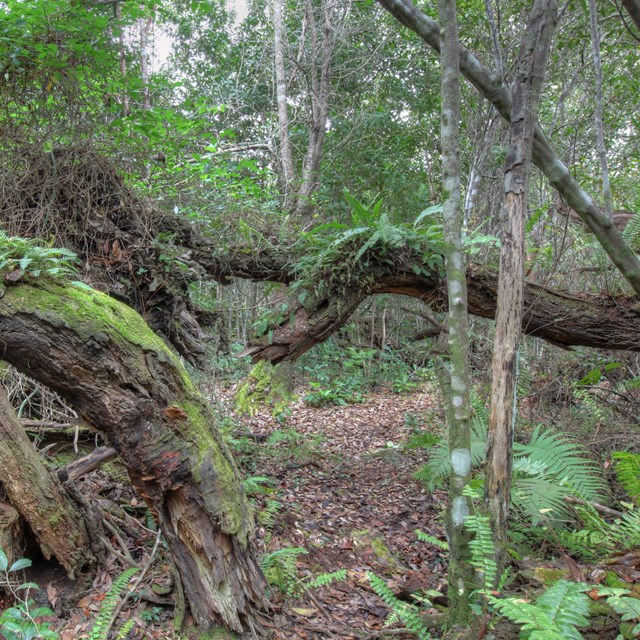
Hardwood Hammock
Dominated by wide-leaf trees, hardwood hammocks have the highest meridian in the Everglades, remaining dry in all but the wettest years.
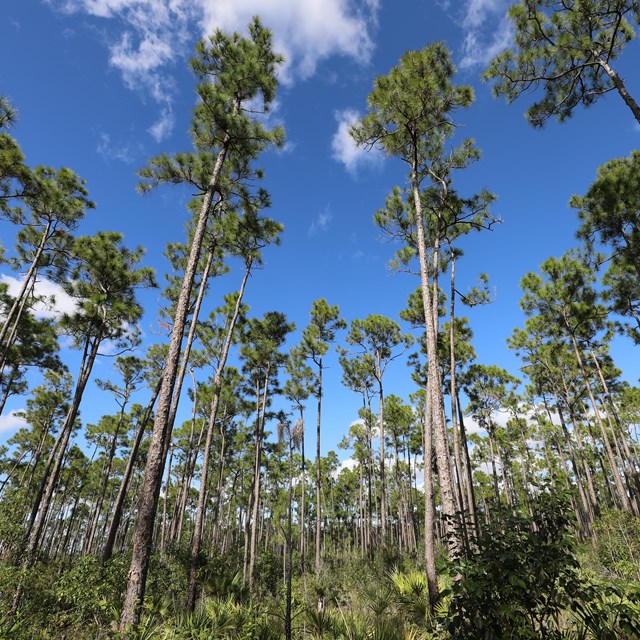
Pineland
One of the most endangered plant communities in the earth, pine rocklands are a burn down-dependent ecosystem institute in a small area of the world.
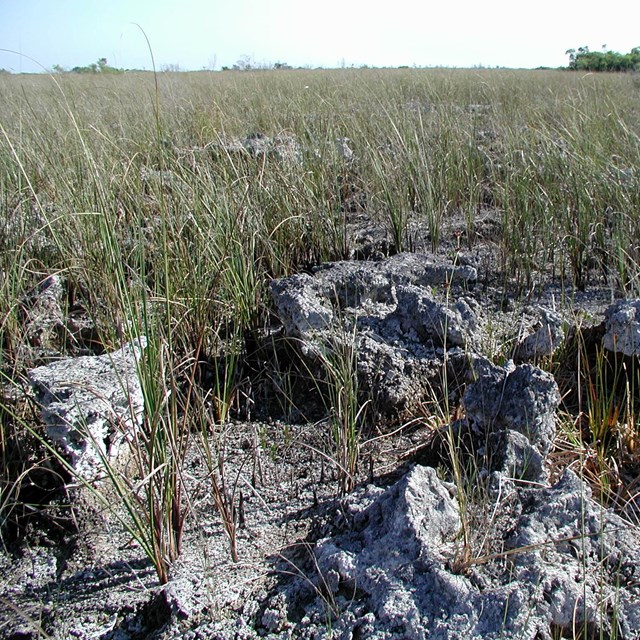
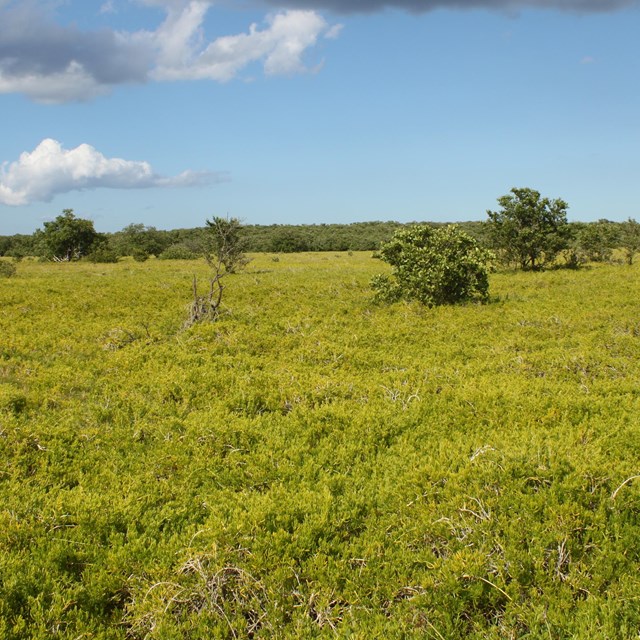
Freshwater Marl Prairie
Marl prairies dominate the eastern side of the park. This establish community resembles freshwater sloughs, but it is drier and less vegetated.
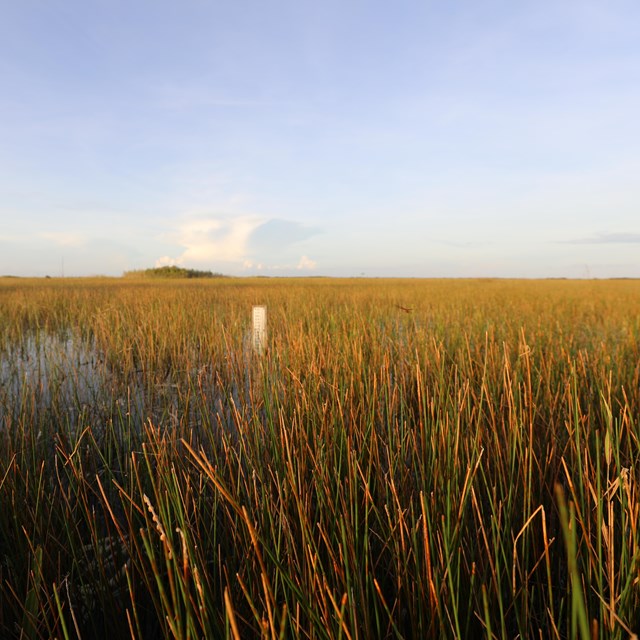
Freshwater Slough
Sloughs are "deep" sections of a wetland that are flooded periodically. In the Everglades, sloughs are the main channels for h2o flow.
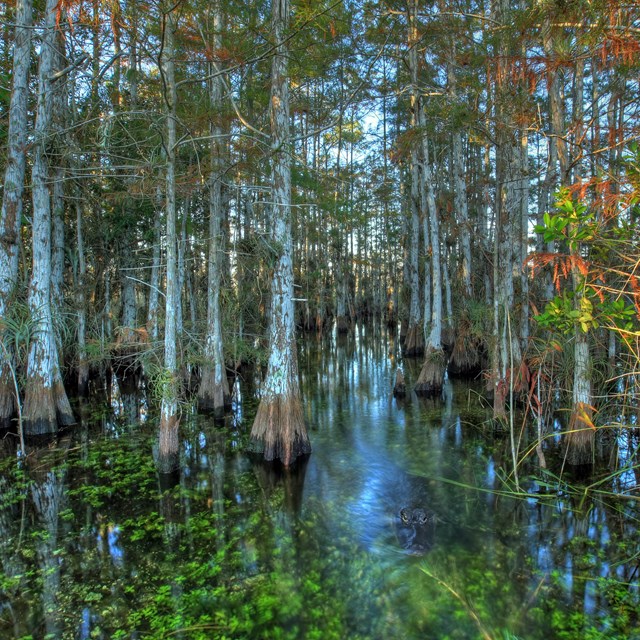
Cypress
Cypress trees are characteristic wetland trees and are the base of operations of more than than one distinct Everglades plant customs.
Coastal Lowland
Coastal lowlands are characterized by rugged institute communities that can tolerate the harsh growing weather institute there.
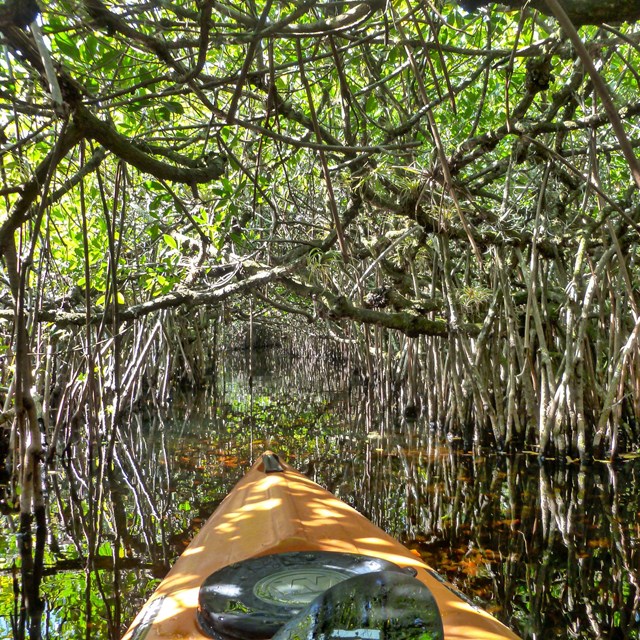
Mangrove
The Everglades has the largest continuous mangrove ecosystem in the western hemisphere. Mangroves are incredibly important to our coasts.
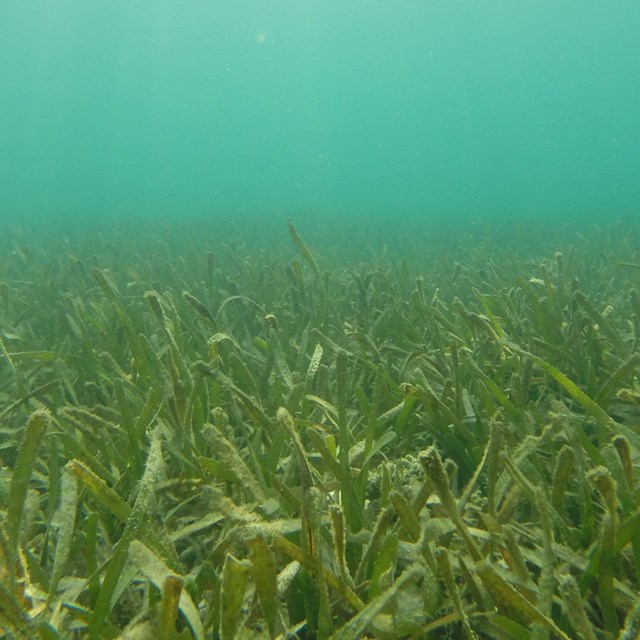
Marine And Estuarine
Many think of the Everglades as a freshwater wetland, but more than ane third of the park is comprised of marine and estuarine ecosystems.



0 Response to "Abiotic Factors In The Everglades"
Post a Comment